ALIGNED // LIVE148 BPM
Cardiac
Heart rate, rhythm and variability—read as a pattern over time, not a single number.
 InSIDE™Request a briefing
 InSIDE™ is being built to bring the signals already present around a neonatal bed into one coherent, time-aware view. The goal is simple: help a care team see a change taking shape, not just the alarm it eventually triggers.
Discuss a deployment ↗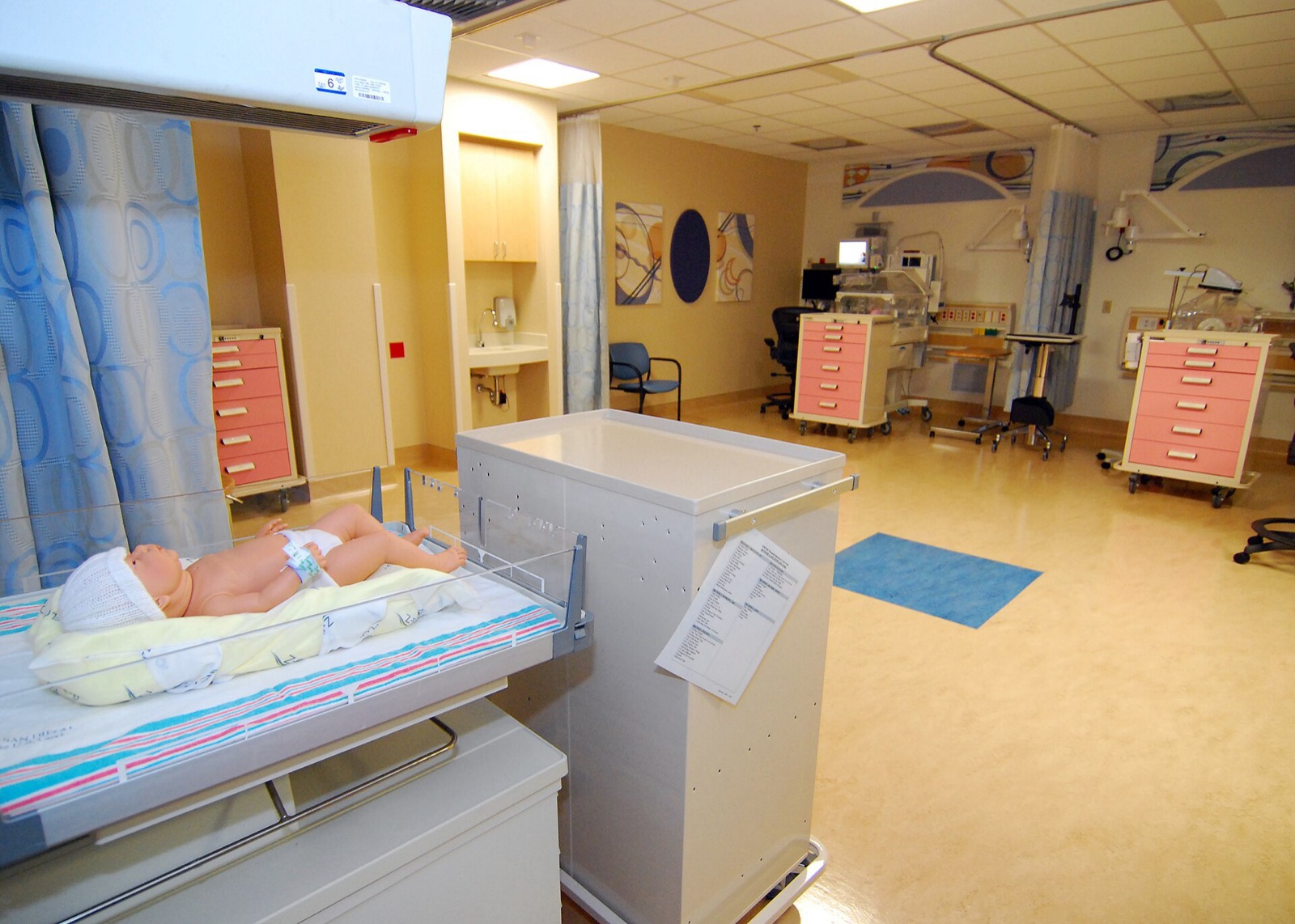
InSIDE™ is designed around the equipment, interruptions and clinical judgment already present at the bedside—not an idealized lab.
U.S. Navy / MC3 Jake Berenguer · Public domain ↗A brief oxygen dip means something different when a baby has just turned over. A temperature change means something different when perfusion and heart-rate behavior are shifting at the same time.
InSIDE™ preserves those relationships. Each stream is time-aligned, checked for quality and attached to a longitudinal patient model. The system is meant to support a clinician’s question—what changed, and what changed with it?—without pretending there is one magic number.
Heart rate, rhythm and variability—read as a pattern over time, not a single number.
SpO₂ trends are interpreted alongside motion, respiratory behavior and signal quality.
Non-contact temperature maps can surface peripheral change and evolving spatial patterns.
Position, activity and stillness help separate physiological change from ordinary motion artifact.
Visual features add respiratory and behavioral context without becoming the clinical record.
Interventions and observations give the model the context required to make a trend meaningful.
Every stage has a job, an owner and a boundary. That is how a research model becomes something a hospital can evaluate responsibly.
Collect continuous physiological, thermal and behavioral streams using modular bedside hardware.
Synchronize timestamps, flag signal quality and separate identity before analytical processing.
Compare current trajectories with the patient’s own baseline and clinically labelled outcomes.
Show the signals and events behind a risk change so the care team can investigate in context.
Care teams can move from a warning to the exact sequence of physiological and observed events that preceded it.
At-a-glance views help teams see which patients are stable, changing or need a closer look—without replacing bedside assessment.
Predictions, labels and outcomes can be reviewed together, making model performance auditable during validation.
Built for clinical validation